The Daily Rhythm of Movement

Daily walking is not about counting steps or reaching targets. It is about creating a natural rhythm of movement that supports your overall sense of balance and well-being.

When walking becomes a regular part of your day, it transforms from an activity into a practice—a gentle ritual that anchors your daily rhythm and provides moments of restoration.
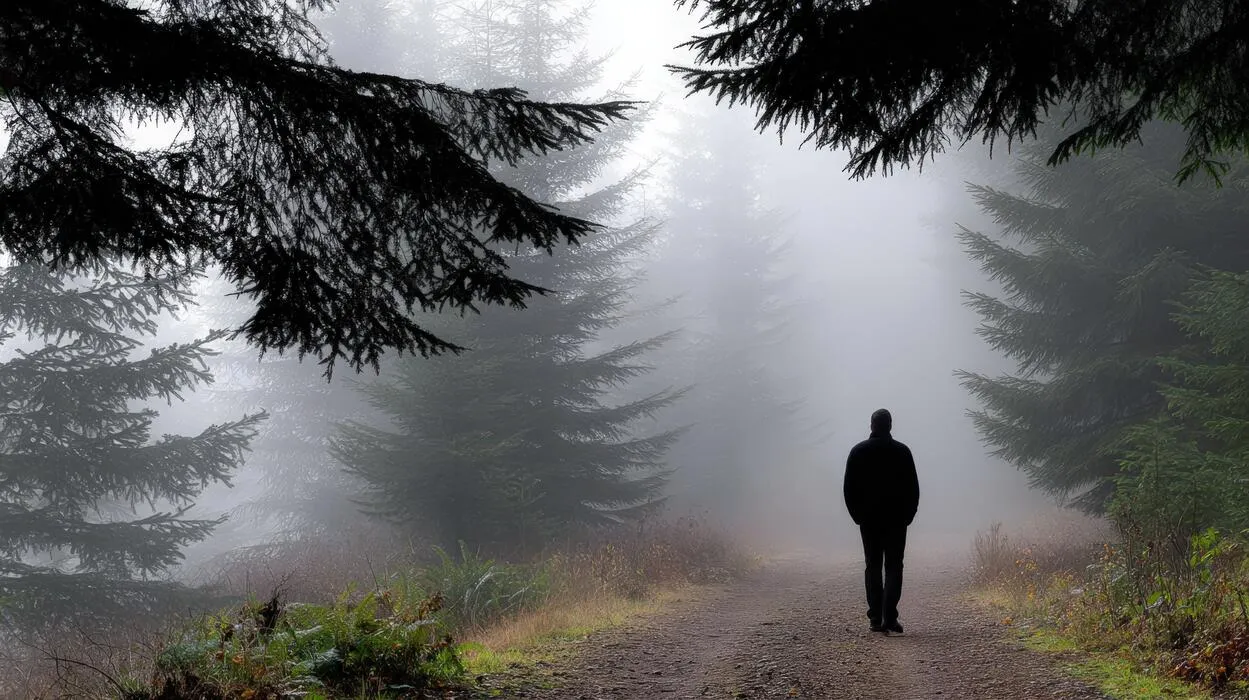
Person walking on a quiet path during early morning with gentle sunlight

Throughout the Day

Finding Your Moments

Different parts of the day offer unique opportunities for walking.

Morning

Gentle Awakening

A morning walk helps ease the transition from rest to activity. The fresh air and natural light signal to your body that the day has begun, creating a calm foundation for what follows.

Midday

Natural Pause

A midday walk creates a valuable break in the flow of activities. This pause gives space to reset and may help you feel steadier through the afternoon hours.

Evening

Calm Transition

An evening walk helps release the accumulations of the day. This gentle movement prepares the mind and body for rest, creating a smooth transition into the quieter hours.

Building Sustainable Habits

The most sustainable walking practice is one that fits naturally into your existing life. Rather than adding something new that requires effort to maintain, consider how walking can enhance activities you already do.

Some natural integration points include:

  • Walking to nearby errands instead of driving
  • Taking a brief walk after meals
  • Walking while making phone calls
  • Using walking meetings when possible
  • Exploring your neighborhood on foot

These small adjustments accumulate over time, creating a pattern of movement that feels effortless rather than demanding.

Listening to Your Body

Each day brings different energy levels and circumstances. A flexible approach to daily walking honors these variations rather than demanding rigid consistency.

Some days may invite longer, more explorative walks. Others may call for brief, gentle strolls. Both serve the larger purpose of maintaining a connection with natural movement.

The key is maintaining the practice while allowing its form to adapt. This flexibility ensures that walking remains a source of restoration rather than becoming another obligation.